

BEFORE THEY LEAD, THEY LEARN TO SAVE A LIFE: PROJECT OVERWATCH TRAINS 350+ FUTURE AIR FORCE OFFICERS AT EMBRY-RIDDLE
The nation's largest university-based Air Force ROTC program just received a new kind of training. One that doesn't involve flight simulators or field exercises. It centers on a single question that could save a life.
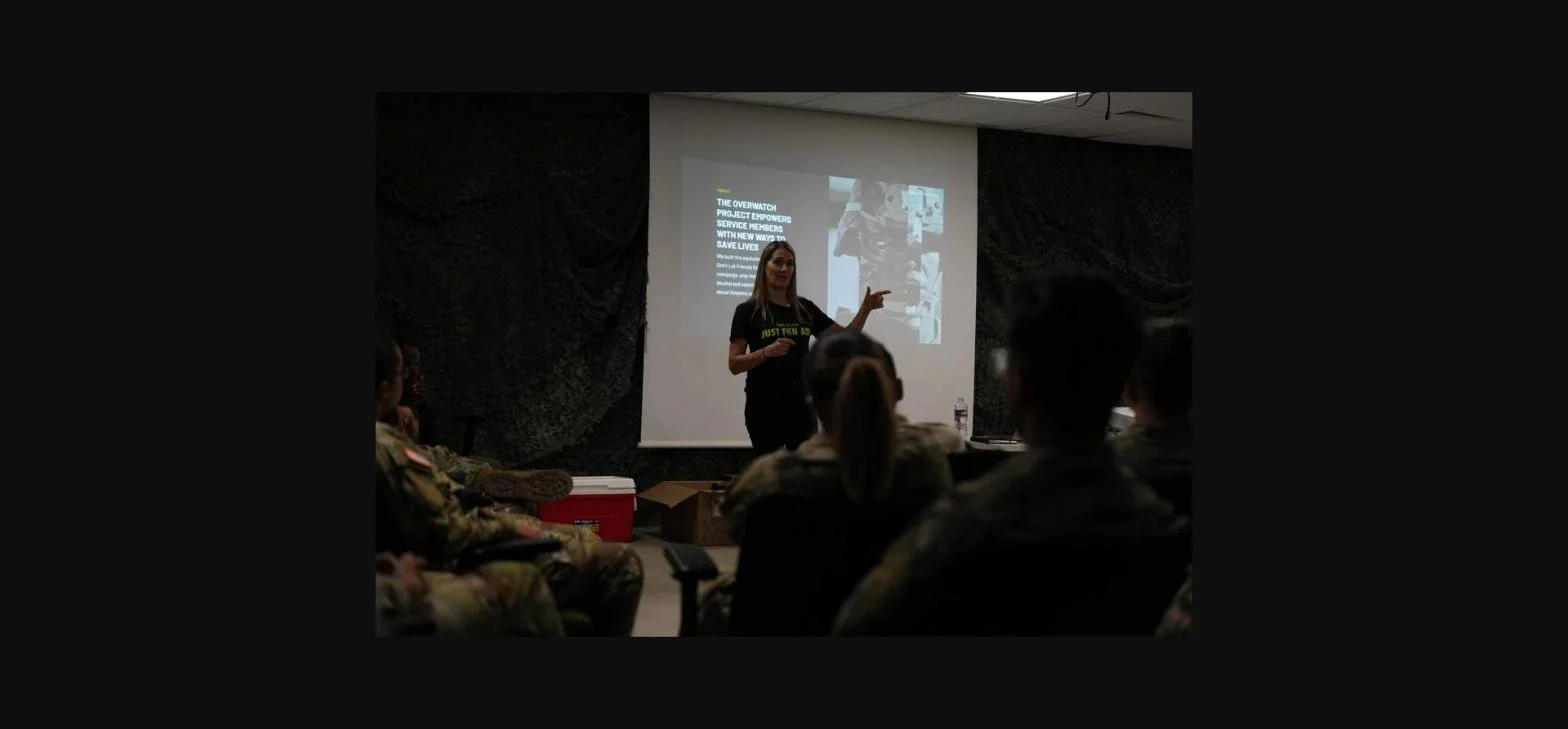
DAYTONA BEACH, FL — A room of 350 cadets at Embry-Riddle Aeronautical University, the school that commissions more Air Force officers than any university in America, goes quiet.
Not because someone ordered them to be. Because they're listening.
Standing in front of them is Zachary Salazar, a Marine veteran and Peer Intervention Trainer with the Overwatch Project. He's not talking about tactics or flight hours. He's talking about the hardest conversation most of these future officers will ever have — and why learning to have it now, before they pin on rank, could mean the difference between burying a friend and saving one.
WHY EMBRY-RIDDLE. WHY NOW.
Founded in 1925, Embry-Riddle Aeronautical University has produced more than 160,000 graduates and stands as the world's premier aeronautical university. Its Daytona Beach campus is home to Detachment 157, one of the most decorated Air Force ROTC programs in the country. Det 157 fields 477 cadets. Together with its counterpart at the Prescott, Arizona campus, Embry-Riddle represents the largest university-based Air Force commissioning source in the nation — second only to the Air Force Academy itself. In 2024 alone, Det 157 commissioned 62 second lieutenants. Both detachments rank in the top 10% of all AFROTC detachments nationwide. Det 157 holds the highest Rated Officer selection rate in the country.
These are the officers who will lead tomorrow's Air Force. And they are entering a service in crisis.
We lose more service members and veterans to suicide each year than to combat. In 2023, the active-duty military recorded 363 deaths by suicide — a 12% increase over the prior year. Within the Air Force specifically, an estimated 41% of all active-duty deaths between 2010 and 2023 were attributed to suicide, overdoses, or preventable high-risk behavior. Among veterans, firearms are involved in 73.3% of suicide deaths, compared to 52.9% for non-veteran adults. And the youngest veterans — those aged 18 to 34 — face some of the highest risk.
That is the exact demographic sitting in those seats at Embry-Riddle.
The Overwatch Project was invited to change that.
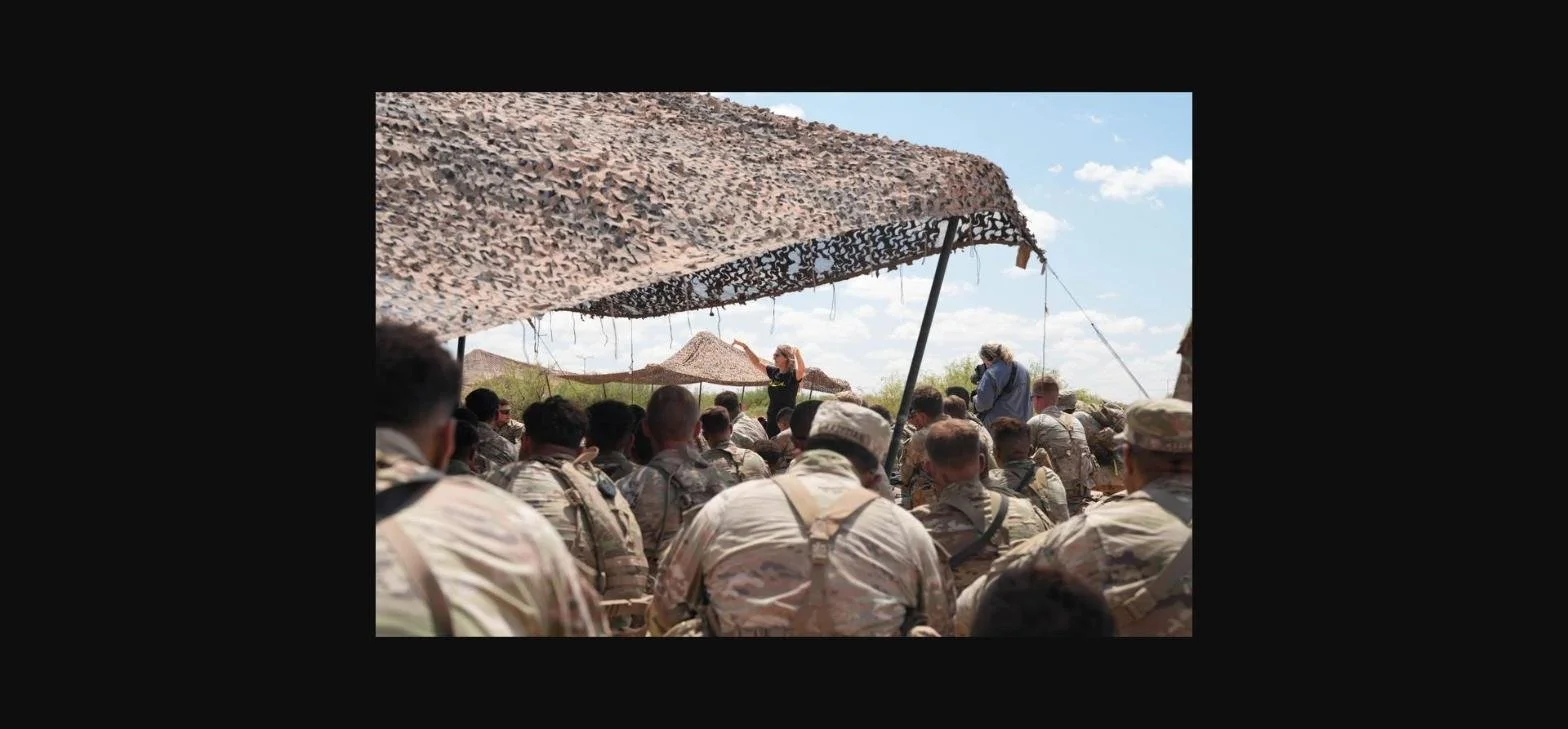
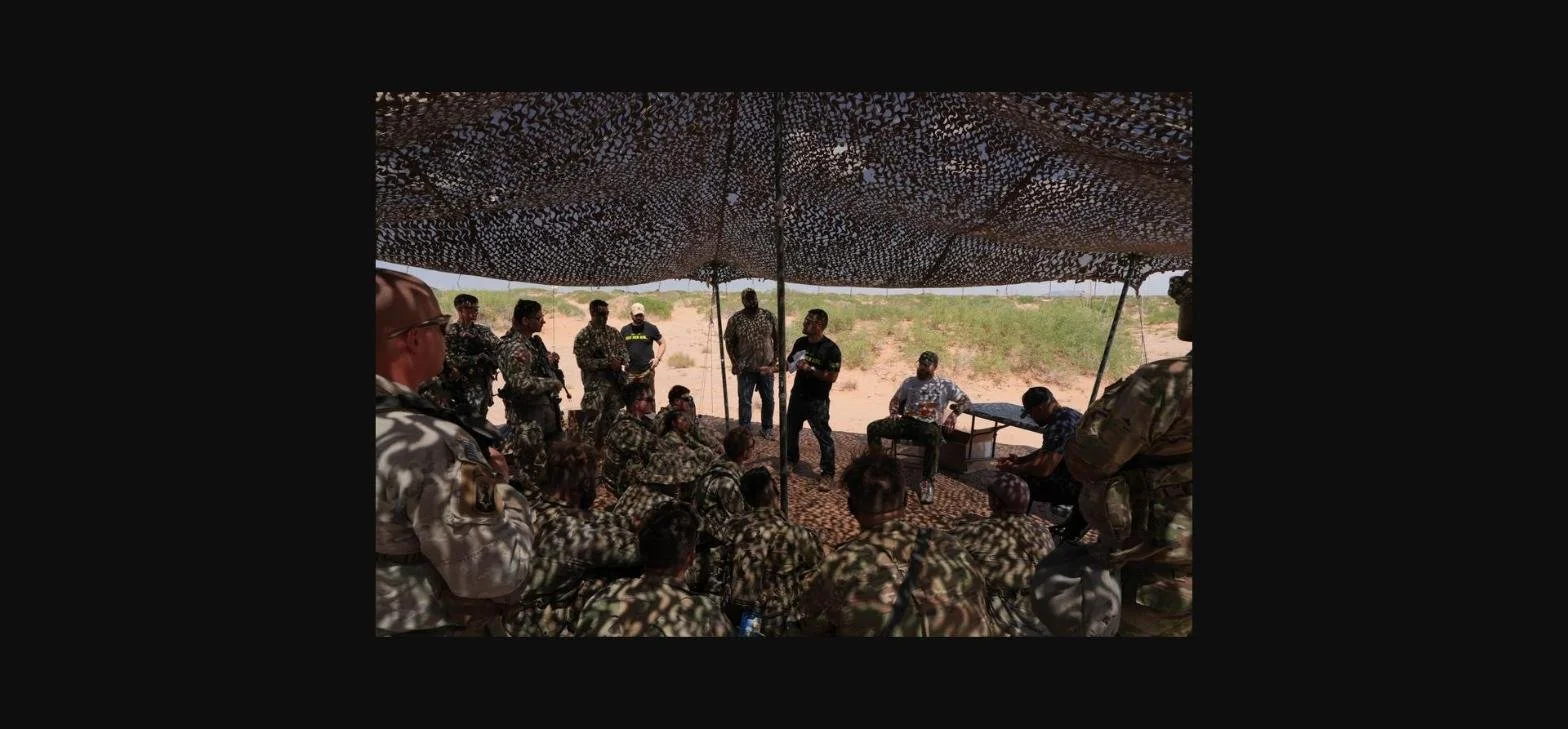
Project Overwatch training session at Fort Bliss, TX — soldiers receive peer intervention training in a field environment. U.S. Army photo / DVIDS
THE TRAINING: JUST FUCKING ASK
FORGE — the organization behind the Overwatch Project — is the only national organization working exclusively from within the firearms community on non-political, evidence-based initiatives to end gun suicide among veterans and service members. In 2022, FORGE was selected as a top-three winner from more than 1,300 submissions nationwide in the VA's $20 million Mission Daybreak Grand Challenge. To date, the Overwatch Project has trained over 50,000 service members.
The core insight driving the program is straightforward: put time and distance between a person in crisis and the most lethal means available to them, and you save lives. Harvard's Means Matter initiative has found that nine out of ten people who survive a suicide attempt will not go on to die by suicide. The method matters — and in the military community, the method is almost always a firearm.
So FORGE trains people to ask. Just Fucking Ask.
Ask your buddy if they're okay. Ask if you can hold onto their weapon for a while. Ask if they'd be willing to disassemble it, lock it up, or hand it to someone they trust. Not forever. Just until the storm passes.
It cuts through the noise. It cuts through the awkwardness. It cuts through the culture of toughness that too often translates to silence.
The Colonel overseeing the cadets loved it. Future officers hearing from a prior-service enlisted Marine who had walked the walk — that carried weight in that room.
THE DISASSEMBLY CLAUSE
Of everything Zach covered that day, one story landed hardest.
He told the cadets about a group of veterans — friends who had stayed connected after service through a WhatsApp group. These veterans had made a pact. Whenever any of them hit a rough patch, they had a standing agreement: disassemble your weapons. Take them apart. Scatter the pieces among your people.
Not as punishment. Not as a sign of weakness. As an act of trust. An act of brotherhood. A way of saying, I'm not okay right now, and I'm asking you to help me stay here.
They called it the Disassembly Clause.
After the training ended, a cadet pulled Zach aside. He had a friend back in Kentucky — surrounded by firearms, had already attempted suicide once. The cadet had been worried. He hadn't known what to say or how to help.
Now he did.
The Disassembly Clause wasn't an abstract concept to that cadet. It was a lifeline he could hand to someone he loved.
TRAINING TOMORROW'S LEADERS TODAY
What made the Embry-Riddle training significant wasn't just the number of people in the room. It was the timing.
The Overwatch Project is bringing peer intervention training to future military leaders before they ever take command. Not after a unit suffers a loss. Not as a reaction. As preparation.
These 350+ cadets — future squadron commanders, flight leads, and mission planners — now carry a practical framework for the hardest conversation in the military. They will bring it to their first assignments, their first deployments, their first real moments of leadership. They will know that asking a struggling Airman to temporarily secure a weapon isn't overstepping. It's exactly what a good leader does.
The Overwatch Project has partnered with organizations like Sig Sauer and deployed to installations including Fort Bliss. But the training at Embry-Riddle may be among the most strategically significant things the program has done.
This isn't just intervention. It's inoculation.
THE MISSION CONTINUES
In 2023, 61% of veterans who died by suicide were not receiving VA health care in the last year of their life. They were beyond the reach of hotlines and posters and awareness campaigns. What they needed — what they deserved — was a friend with the language, the courage, and the training to ask the hard question, and the practical framework to act on the answer.
At Embry-Riddle, 350 future Air Force officers now have exactly that.
And somewhere in Kentucky, a cadet is getting ready to have the most important conversation of his life.
The Overwatch Project is the flagship program of FORGE, a 501(c)(3) nonprofit. To learn more about peer intervention training for your unit, campus, or organization, visit overwatchproject.org.